
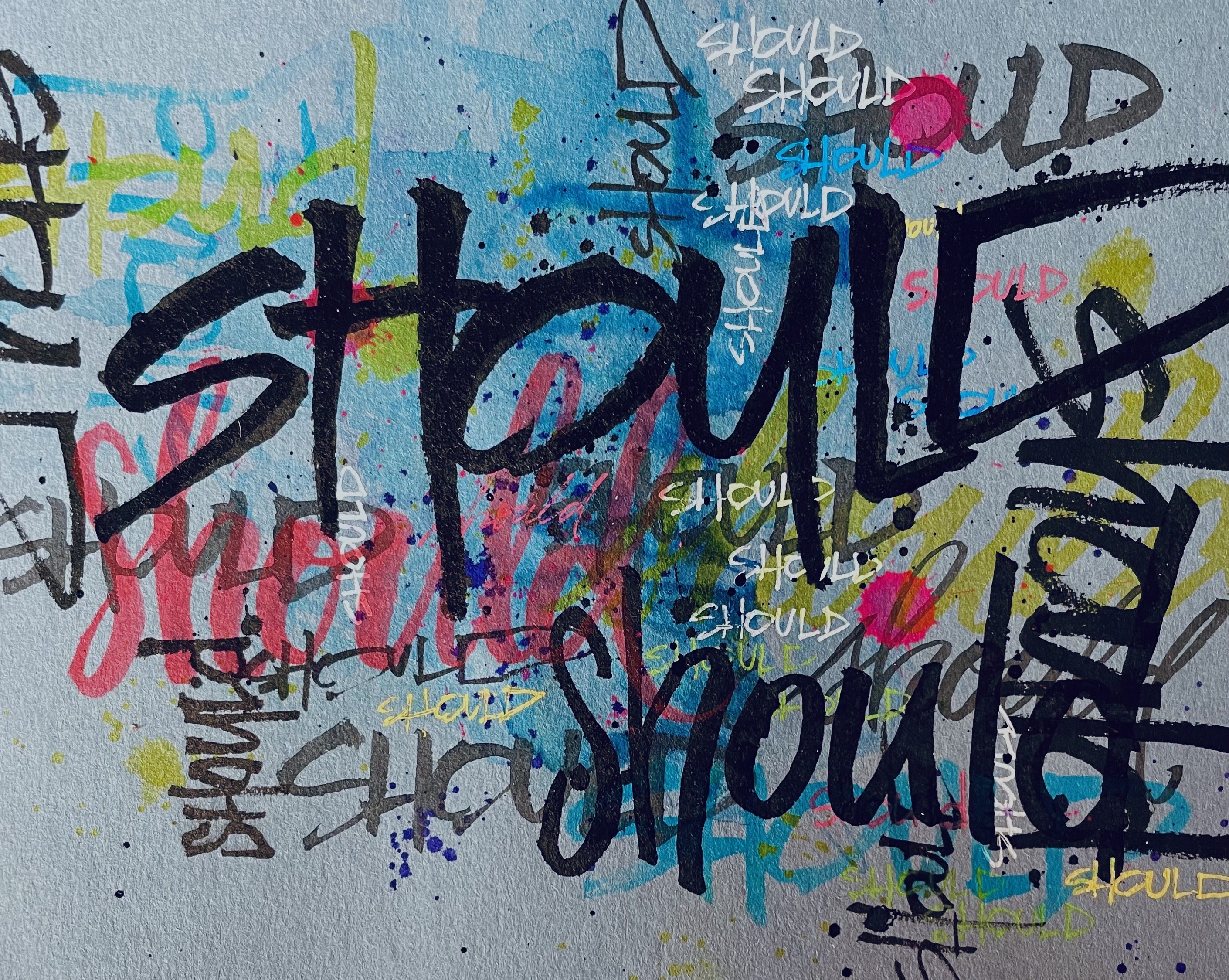
I had a conversation recently with a woman who was struggling with all the expectations people have about where she is in life, who she is and what she needs to do to move forward. While she told me what people said, the word should came up a lot…I mean A LOT! I listened and listened some more. Then as I saw her getting ratcheted up, more and more upset about what people were telling her, I stopped her. I said, “Let’s talk about the word should.” I then told her what I am about to tell you…
Should is a very powerful word. It implies that what comes after it is important to the audience and that the person saying the word has the power, influence, and right to say it. When people say, “You should…” they are usually giving advice or telling you what to do to fix, enhance, correct, or move things forward. The person may be a friend, a parent, a colleague or even the boss. They usually mean well, they care enough to solve things, even if their opinion was never solicited (sometimes people just need us to listen – there’s a tip there!) And by telling someone should, it means that what they know will make your life better, or make your life what they think it should be. Unfortunately, the word should also implies that the person saying it knows best, knows all AND has the power to tell you what to do. Whew! That’s a lot of shoulds….
“You should update your resume”
“You should make a schedule and stick to it.”
“You should just go out and make new friends.”
“You should go to an online dating site and find a mate.”
“You should set a budget and live by it, that would solve all your financial problems.”
“You should change your attitude or expectations, then you will not be disappointed.”
“You should be happy, you have everything anyone could ever want.”
ALL these shoulds – and the ones I’m sure you hear – put us in a box and try to solve our emotional or relationship issues with one easy to do item. They in no way hear what is going on underneath the issue being shared. None of us likes being told what to do, even if we know it will help move things forward. Unless we ASK for suggestions or ideas to help us solve our problem…shoulds only make it worse. Should treats us like children, diminishes our ego and eventually makes us feel less than capable. Should implies a right and wrong, I’m smarter than you, I know better, It’s an easy fix attitude. It also helps avoid dealing with the real issue at hand. Should is an easy row to plow when you are not the one driving the tractor. “Ya’ know what you should do…” is a terrible conversation starter. It is more of a put down than a leg up.
So what can we do is these situations when we are the audience and we have the urge to solve things with a should??? What if we listened (there’s that tip again!) and then asked if the person wanted us to help them problem solve, or do they just need us to show compassion and listen? Maybe it is a time when they need to vent, not get a to do item based lecture. Maybe they are on the verge of solving it themselves AND just need someone to validate that they are on the right track. Or maybe, they just need a verbal hug…an atta boy, a confirming smile, or an attentive ear. If we listen, people will tell us what they need without us having to resort to giving them more unwanted shoulds.
So next time the word should wants to come out of your mouth, PAUSE for the cause. Ask the person how you can help them, then be quiet. Relationships are build on mutual respect and understanding, not on shoulds.
 Ann Art Gallery Blog